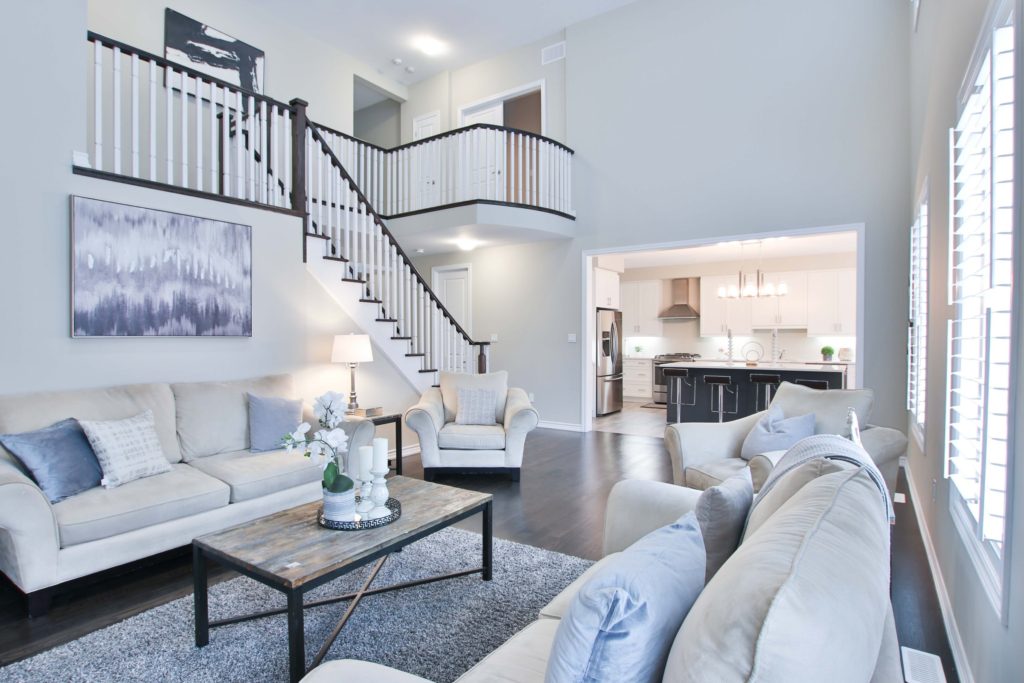
The United States housing market faces ongoing volatility due to high interest rates and rising property values. These economic challenges have slowed the pace of transactional sales. In this environment, real estate agents must diversify their income beyond sales commissions. The short-term rental (STR) sector, which includes vacation properties, offers a reliable path to stable, recurring income through property management and expert consultation.
The shift into STRs is based on compelling macroeconomic factors. While high borrowing costs make purchasing new listings difficult, rental demand remains robust. Demand for short-term rentals grew by approximately 7.0% year-over-year, outpacing the 4.7% increase in supply in the US market as of early 2025. This gap between supply and demand strengthens pricing power for existing STR operators and creates premium investment opportunities. Investors and second-home buyers accounted for 15% of existing-home sales in March 2024, demonstrating persistent underlying demand for income-producing real estate.
The Realtor’s New Revenue Stream: Investing in the Short-Term Rental Boom
Why Vacation Rentals Stabilize Income
The primary benefit of entering the vacation rental space is income stability. Sales commissions are volatile and cyclical. When sales slow down—often due to high interest rates or home appreciation—a realtor’s income suffers. In contrast, managing short-term rentals provides predictable, year-round cash flow through management fees, helping sustain the business during periods of low sales volume.
The slowing supply growth nationwide—which dropped sharply to 6.8% in 2024, down from 14.4% in 2023—suggests fewer new competitors are entering the market. This scarcity allows realtors to market established, high-performing STR properties to investors at a premium price. The proven track record of annual revenue and high occupancy rates justifies the investment cost, even when home values are high, minimizing risk for the client.
Beyond the Commission: Generating Income from STR Services
Realtors are uniquely qualified to manage short-term rentals. They possess critical local market expertise, established professional networks, and the legal credibility of their license.
Diversification starts with management fees, which are significantly higher in the STR space compared to traditional rentals. Short-term rental management fees typically range from 20% to 40% of the gross rental income. This is substantially higher than the 8% to 12% common for long-term lease management. This premium fee is justified by the intensive demands of STR operations, which require dynamic pricing, 24/7 guest communication, frequent cleaning, maintenance scheduling, and managing high turnover. Professional STR managers often boost a property’s revenue performance by an estimated 18% to 20% through optimization and dynamic pricing.
An increasingly critical high-margin service is compliance and advisory consulting. The regulatory complexity of STRs, covering local zoning, licensing, and new federal pricing mandates, provides a valuable opportunity for realtors to serve as specialized consultants. Realtors can offer services such as “Compliance Audits” or investment viability analysis. Consultation fees can be structured as an hourly rate, often exceeding $200 per hour, or as a flat fee for specific regulatory filings. This income stream is divorced from the property transaction itself, creating pure fee-based revenue.
Table Title: Realtor Income Diversification: Management Fee Structures
| Service Model | Typical Fee Structure (of Gross Revenue) | Realtor Value Add |
| Full-Service STR Management | 20% to 40% | Dynamic pricing, 24/7 guest support, maintenance coordination, maximizing revenue. |
| Half-Service/Marketing Only | 10% to 15% | Listing optimization, high-converting descriptions, platform integration. |
| Compliance/Advisory Consulting | Hourly Rate or Flat Fee ($200+ per hour) | Navigating local zoning, obtaining permits, ensuring federal price transparency compliance. |
2025’s High-Yield Hotspots: Where the Numbers Work
The most profitable investment locations are migrating away from saturated coastal and major urban areas. The highest potential returns are now found in affordable, mid-sized and rural markets. This movement maximizes capital efficiency and minimizes the impact of escalating regulation.
The Efficiency Metric: Prioritizing Gross Yield and Cap Rate
Successful STR investment analysis relies on two key financial indicators: Capitalization Rate (Cap Rate) and Gross Yield. Cap Rate (Net Operating Income / Property Value) measures profitability independent of financing, with 7% to 10% often targeted for higher returns. Gross Yield (Annual Revenue / Acquisition Cost) specifically highlights how efficiently capital is deployed.
Mid-sized and small cities are leading STR growth, with small city and rural areas seeing a 16% increase in listings. This shift is a direct, data-driven response to two major issues: the high cost of real estate in primary markets and the proliferation of restrictive local regulations. Realtors should focus their investment modeling on these emerging regions.
The Great Midwestern Opportunity: High Yield, Low Entry Cost
The Midwest currently presents the strongest opportunities for maximizing yield due to remarkably low property acquisition costs.
Peoria, IL: The Yield Champion
Peoria, Illinois, delivers the highest gross yield among several top-performing markets at 15.3%. This exceptional yield is possible because the average for-sale listing price is extremely low, clocking in at approximately $202,930—the lowest of all markets featured in top investment reports. The median sale price sits between $153,750 and $175,000. Listings here saw a 21% jump in 2024, and properties maintain a stable 59% occupancy rate.
Peoria offers phenomenal leverage potential. Investors can deploy significantly less capital to achieve high returns, which is crucial in a high-interest rate environment. Realtors should position Peoria properties as superior cash flow alternatives to traditional long-term rentals, especially for investors new to the STR sector.
Akron, OH: Growth and Affordability
Akron, Ohio, also offers an excellent balance of high yield and low acquisition cost. The market boasts a gross yield of 12.6%. Median home prices are among the lowest nationally, with recent data showing a median sale price of $128,000 to $147.5K. Occupancy is solid at 55.2%.
The rapid increase in investment activity is reflected by a listing growth rate of 33.2%. This strong and rapid influx of new supply suggests investors are quickly moving capital into Akron. The persistently low median price, despite this accelerated investment interest, indicates the market is still catching up to its true value. This provides a crucial window for realtors to facilitate fast acquisitions before robust demand drives prices upward and compresses profitability.
Markets Balancing Revenue and Location
Crescent City, CA
Crescent City, California, demonstrates that high revenue can still be achieved in desirable coastal locations. This market leverages its proximity to the redwood forests and coastal views to maintain strong demand. Crescent City reports an annual revenue averaging $51,318 and a high occupancy rate of 63.3%. The gross yield is 11.9%. While the median listing price is higher, around $427,000, the consistency of this high occupancy rate helps mitigate the seasonality typical of coastal destinations. Operational requirements are manageable, generally requiring Transient Occupancy Tax (TOT) registration.
Fairbanks, AK
Fairbanks, Alaska, represents a successful niche market, generating high average revenue of $48,459 and occupancy rates between 65% and 66.5%. The average daily rate (ADR) for typical properties sits around $157 per night. However, the Cap Rate for this region is comparatively low, ranging from 6.7% to 9.0%. This discrepancy—high revenue but a lower Cap Rate—is a critical point for realtors to address. It strongly implies significantly higher operating costs associated with the northern climate, such as elevated heating fuel prices (which rose 32% to 70% in recent years) and higher general maintenance costs. Investors must be guided toward multi-bedroom properties that maximize revenue and must factor in conservative estimates for Net Operating Income to account for these operational expenses.
Table Title: 2025 High-Yield U.S. Short-Term Rental Markets
| Market | Avg. Property Price (Approx.) | Average Annual Revenue | Gross Yield / Cap Rate | Occupancy Rate |
| Peoria, IL | $202,930 (Average featured low) | N/A (Highest yield market) | 15.3% (Gross Yield) | 59% |
| Akron, OH | $128,000 – $147,500 (Median Sale Price) | $31,207 | 12.6% (Gross Yield) | 55.2% |
| Columbus, GA | N/A | $29,866 | 13.4% (Gross Yield) | 56.1% |
| Crescent City, CA | $427,000 (Median Listing Price) | $51,318 | 11.9% (Gross Yield) | 63.3% |
| Fairbanks, AK | N/A (High Relative Cost) | $48,459 | 6.7% – 9.0% (Cap Rate Range) | 65% – 66.5% |
Market Deep Dive: The Enduring Appeal of Hutchinson Island, FL
Hutchinson Island, Florida, presents a crucial case study in high-value coastal investment, balancing strong demand against higher regulatory and acquisition hurdles.

Investment Profile: Stable Revenue, Higher Entry Cost
Hutchinson Island’s investment profile prioritizes long-term asset location and capital appreciation over immediate, maximum cash flow. Located on Florida’s Treasure Coast, the island draws visitors seeking pristine, uncrowded beaches, historical sites like the House of Refuge, and nature experiences like sea turtle viewing. This specialized appeal helps maintain strong, stable demand.
Performance metrics are healthy: Median occupancy is 64%, the average daily rate (ADR) is $178, and typical annual revenue is $41,000. While the market saw a modest revenue decrease of 4.0% year-over-year, this suggests stabilization after intense post-pandemic growth.
Acquisition costs are notably higher than the Midwestern markets, reflecting the coastal asset value. Median condo sales prices range from $455,000 on the North Island to an average of $552,400 for units in newer complexes like Beachwalk in 2024. The gross yield, while healthy (estimated 7%-9%), is not as high as low-cost markets. Realtors should target investors who value the consistent influx of Florida tourism (143 million visitors in 2024) and the likelihood of asset appreciation.
Regulatory Realities on the Treasure Coast
Compliance is not passive in this region. Local governments, particularly the City of Fort Pierce (covering North Hutchinson Island), have established clear, enforceable regulations. All short-term rentals (stays less than six months) must be registered with the city. Fees include an initial $350 registration and an annual renewal fee of $200.
Crucially, the City of Fort Pierce actively enforces compliance using dedicated software, specifically Host Compliance/Granicus, to identify unregistered units. This sophisticated enforcement means that relying on the past perception of “lenient” local regulation is obsolete. Realtors must provide detailed regulatory guidance to investors, ensuring that properties are legally viable under zoning codes and that all local (City/County), state (DBPR), and homeowner association (HOA) rules are strictly followed before a property is even listed for rent. Risk mitigation through compliance is essential in this market.
Table Title: The Hutchinson Island, FL, STR Profile
| Metric | Hutchinson Island South Data (2024) | Regulatory Status |
| Median Occupancy Rate | 64% | State laws complex, local enforcement focused. |
| Average Daily Rate (ADR) | $178 | Mandatory registration and fees required (Fort Pierce) |
| Typical Annual Revenue | $41,000 | Enforcement actively supported by Host Compliance software |
| Median Sale Price (Condos) | $455K – $584K (Range) | High asset value; investment targets appreciation. |
Navigating the Compliance Quagmire: Regulatory Risks and Realtor Consulting
The dynamic regulatory environment is rapidly transforming market risks into profitable consulting opportunities for realtors. New state restrictions, local zoning fights, and pending federal mandates require expert legal and operational oversight.
The FTC Junk Fees Rule: A 2025 Compliance Deadline
The most significant immediate change affecting all short-term rental operators is the Federal Trade Commission’s Rule on Unfair or Deceptive Fees, set to take effect on May 12, 2025.
This federal mandate prohibits bait-and-switch pricing. It requires all short-term lodging providers—including independent hosts and major platforms—to clearly and conspicuously disclose the total price of the rental up front. This total price must include all mandatory fees, such as cleaning fees and service charges, whenever a price is advertised. Only optional fees (like pet fees) and taxes can be listed separately, provided they are clearly defined.
This rule demands a fundamental operational overhaul for every host in the nation, forcing a restatement of pricing on all listing platforms. This May 2025 deadline creates immediate, non-negotiable demand for realtor-led consulting services focused on compliance. Realtors should market a specialized “FTC Price Transparency Compliance” service to help clients adjust their dynamic pricing models and avoid potential federal penalties.
Local Zoning and the Risk of Non-Compliance
Local regulation remains the single greatest operational risk for STR investors. Major US cities like New York City, Los Angeles, and San Francisco have implemented stringent ordinances, often restricting rentals to primary residences only, or placing limits on the number of rental nights allowed per year. The adoption of new local regulation in cities like Chicago caused an immediate 16% decline in active listings.
Realtors must leverage their professional credentials to navigate these legal hazards. A license grants the authority to research and confirm property zoning, health and safety codes, and mandatory permit requirements. This essential risk mitigation service protects client investment from costly fines, legal action, or revocation of hosting privileges. The use of enforcement technology by cities further ensures that non-compliance is easily detected. Realtors must confirm a property’s zoning viability and adherence to safety standards (e.g., fire exits, smoke detectors) before presenting it as an STR investment.
Future-Proofing the Portfolio: Emerging Niche Trends
As the mass market for short-term rentals matures, specialized niches offering high Average Daily Rates (ADR) are emerging as the most reliable path to sustained profitability. Investment strategy should focus on luxury, extended stay, and experiential travel segments.
The Enduring Demand for Luxury and Extended Stays
The luxury vacation rental market continues to strengthen, driven by affluent leisure travelers, high-net-worth individuals, and growing remote work trends. These travelers seek privacy, security, and expansive space that traditional hotels cannot provide.
Luxury property performance is currently outperforming standard rentals. However, in 2025, merely offering a premium property is insufficient. Affluent travelers now demand unique, tailored experiences, specialized amenities, and highly personalized services, such as private chefs or customized excursions. Remote work trends contribute to the demand for longer, flexible stays, requiring properties to be fully equipped with high-end comforts and work-ready spaces. Realtors listing luxury homes should advise clients to integrate concierge-level services to justify higher management fees and capture this discerning demographic.
Glamping: The High-ADR Niche
The U.S. experiential travel market, particularly glamping (glamorous camping), is experiencing rapid expansion. The US glamping market is projected to grow at a Compound Annual Growth Rate (CAGR) of 12.8% to 15.14% between 2025 and 2030.
This sector, encompassing unique structures like high-end cabins, yurts, and geodesic domes, saw the highest year-over-year growth in Average Daily Rate (ADR) across all accommodation types, rising by 13.6%. Demand is largely driven by Millennials and Generation Z travelers who seek immersive, unique, and highly “Instagrammable” stays that blend nature access with luxury amenities.
The exceptional ADR increase for glamping demonstrates that consumers will pay a premium for novelty and experience, regardless of traditional real estate valuation constraints. Realtors can advise clients on acquiring land suitable for these non-traditional structures, representing a high-growth investment that requires specialized operational setup, thus commanding high-level management fees.
Table Title: High-Growth Niche Accommodation Trends (2024-2025 Outlook)
| Niche Segment | U.S. Market Growth CAGR | Key Investment Drivers | ADR Trend (2024 YoY) |
| Glamping (Unique Stays) | 12.8% – 15.14% (2025-2030) | Experiential travel, unique accommodations (cabins, pods), millennial/Gen Z demand | +13.6% |
| Luxury Vacation Rentals | High (Driven by Affluent Travelers) | Privacy, bespoke services, remote work, multi-generational travel | Outperforming standard accommodations |
| Urban Markets | Faster growth than resort/rural areas (2025 Rebound) | Return to city travel, high bookings for smaller units (1-2 bedrooms) | Revenue per available rental (RevPAR) rebounding |
Conclusion
The short-term rental market offers US realtors a powerful avenue for income diversification and portfolio stability in a volatile economy. Success in 2025 depends on shifting focus from high-cost, high-regulation primary markets toward high-yield, low-entry-cost markets like Peoria, IL, and Akron, OH. These regions provide superior cash flow opportunities through high Gross Yields.
Furthermore, realtors must monetize their expertise by offering specialized services. Compliance consulting is paramount, especially with the May 2025 deadline for the FTC Junk Fees Rule mandating total price transparency. By mastering property management in these complex areas, and by guiding investors toward high-ADR niches like luxury and glamping, realtors can evolve their business model to maximize client lifetime value through continuous fee-based revenue, reducing reliance on volatile transactional sales.